
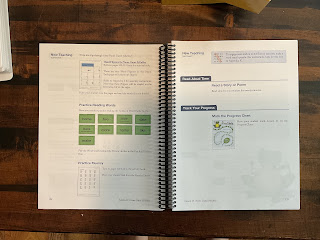
After evaluating an array of Language Arts alternatives, I have definitively concluded that All About Reading is the undisputed champion of our homeschool. Having successfully conquered Level 1, we have seamlessly transitioned into Level 2, and I have brought my signature organizational system along for the journey. I begin by taking the teacher’s manual to a professional print shop to have the binding removed and replaced with a spiral coil; this small administrative luxury makes flipping through the lessons during a busy school day infinitely more manageable. I then set to work on the student booklet, meticulously extracting the perforated pages and preparing our interactive components with a level of precision that would make a librarian weep with joy.
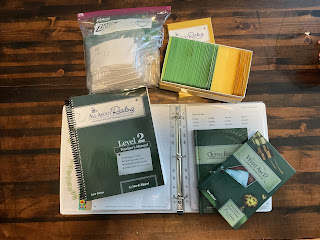
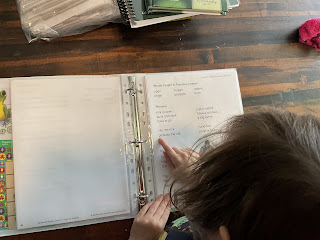

My lamination strategy is a non-negotiable part of our process: I cut the pieces first, laminate them individually, and then cut them again. This "double-cut" method ensures a perfect seal, protecting our materials from the inevitable spills and thrills of a household with young children. I categorize these components into labeled index-card bags, while the non-laminated pages are housed in heavy-duty sheet protectors. By using dry-erase markers on these protectors, I ensure that the curriculum remains in pristine condition—allowing us to reuse it for my youngest daughter and eventually preserve its resale value. Even the phonogram and word cards receive the 5-mil lamination treatment; miraculously, they still fit perfectly within their designated storage box.

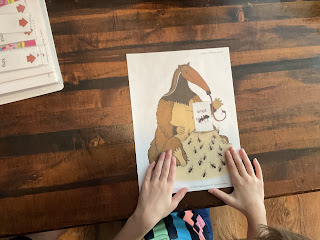
The brilliance of All About Reading lies in its mastery-based philosophy, which allows the student to dictate the tempo of the instruction. The curriculum is saturated with diverse games and activities that transform the "toil" of literacy into a spirited engagement. For the fluency sheets—which can occasionally appear a bit daunting due to the volume of text—I introduce custom "mom-hacks" like our "Feed the Monster" game. I apply inspirational stickers to index cards, and for every phrase my daughter decodes correctly, she gets to "feed" her success to the monster. This gamification ensures that we aren't just glancing at a game once; we revisit these activities daily until the concept is firmly rooted in her long-term memory.

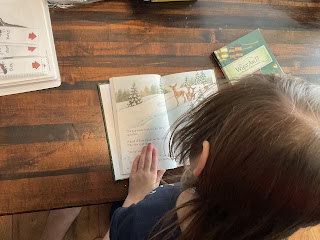
The accompanying readers are another highlight of the program, featuring stories that are perfectly calibrated to the current lesson’s phonetic focus. The narratives are concise, avoiding the fatigue that often plagues early readers, and the illustrations are rendered with a charming, sophisticated touch. Following the program’s recommendation, we commit to a focused twenty-minute instructional block each day. There is no arbitrary deadline to finish a level within a single academic year; we prioritize deep comprehension over superficial speed. Once our formal lesson concludes, I transition into twenty minutes of read-aloud time, fostering a household culture where literature is celebrated rather than merely studied.

For those standing at the crossroads of curriculum choices, I would highly recommend All About Reading without reservation. The teacher’s manual acts as an expert consultant, providing crystalline instructions so you are never left guessing. A final logistical tip: when choosing between physical letter tiles and the digital app, consider your household’s tolerance for "wandering magnets." We opted for the tablet application to mitigate the risk of lost pieces, and it has been a seamless integration into our routine. I am eager to hear from my fellow educators—which reading path have you chosen for your scholars, and if you've ventured into the world of All About Reading, has it been as transformative for you as it has been for us?

Comments
Post a Comment